Alfredo Aceto
Alfredo Aceto
Download PDF
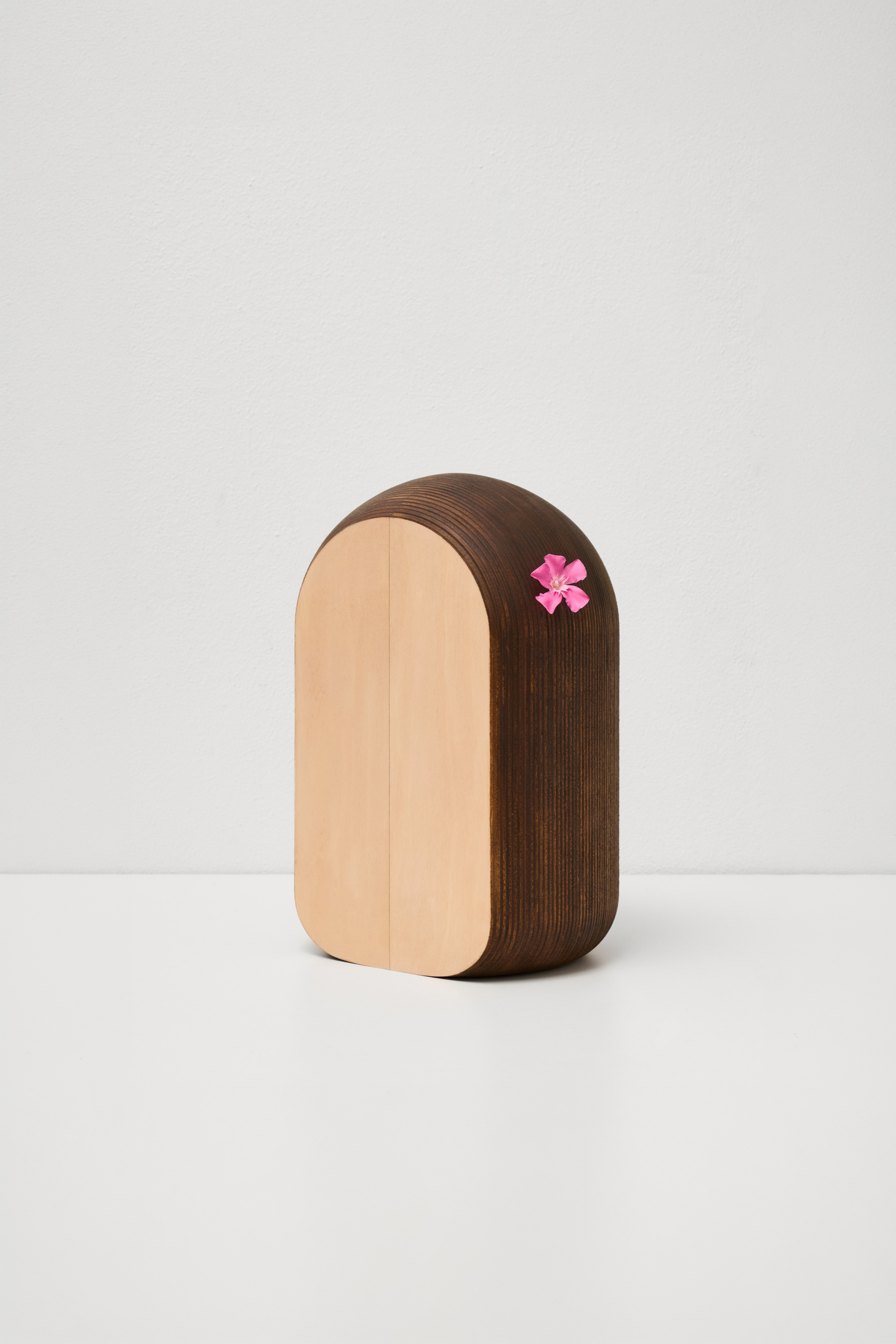
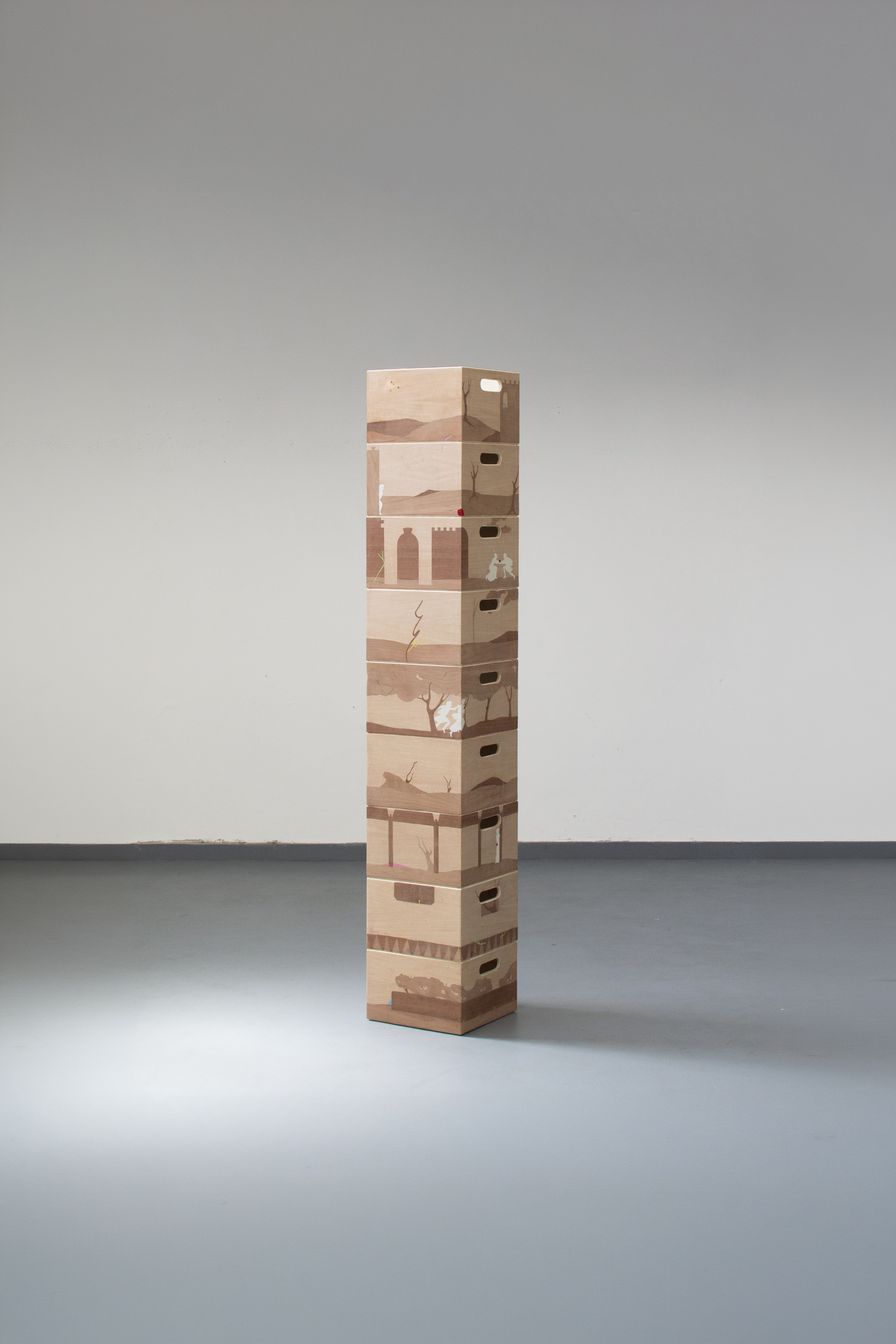
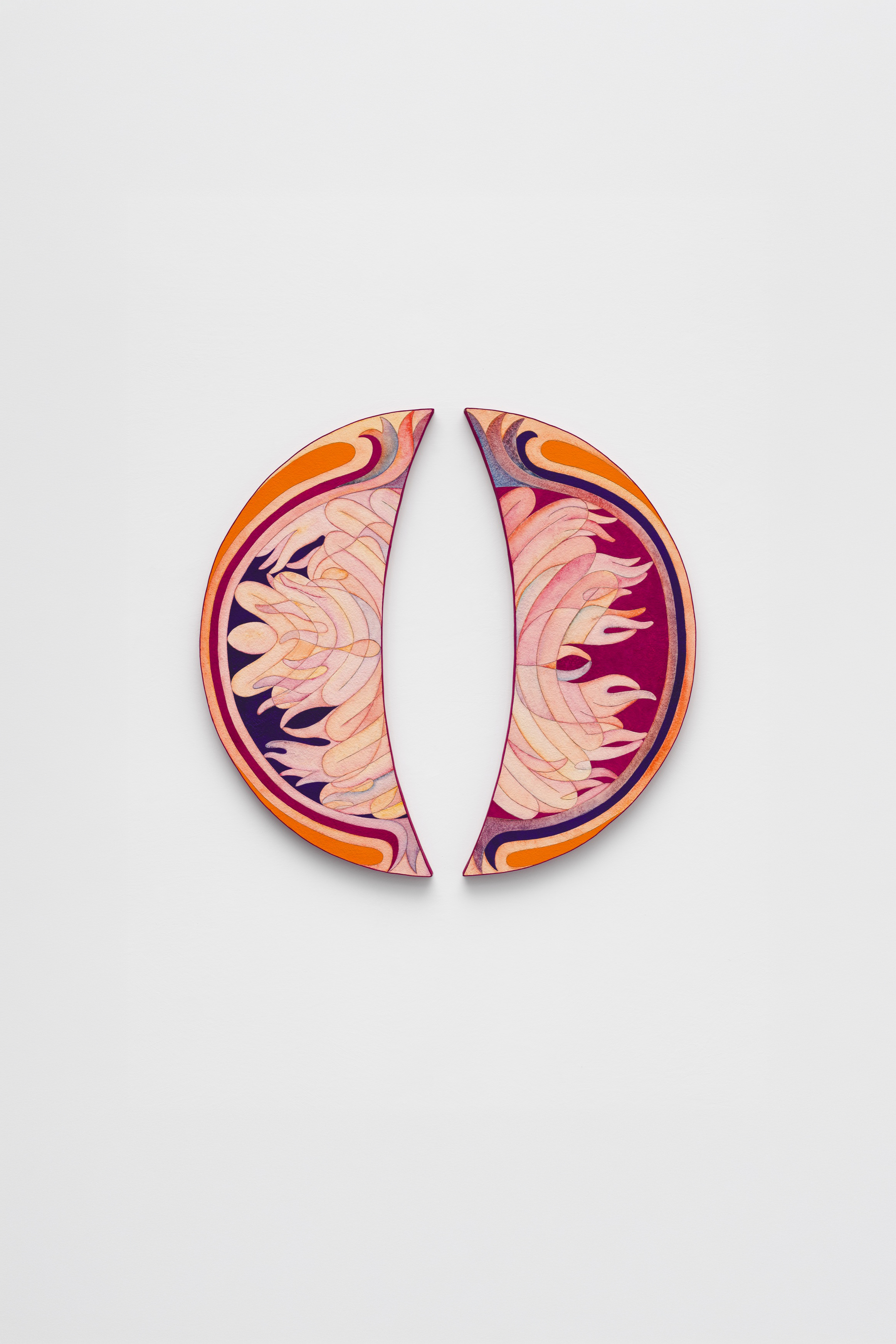
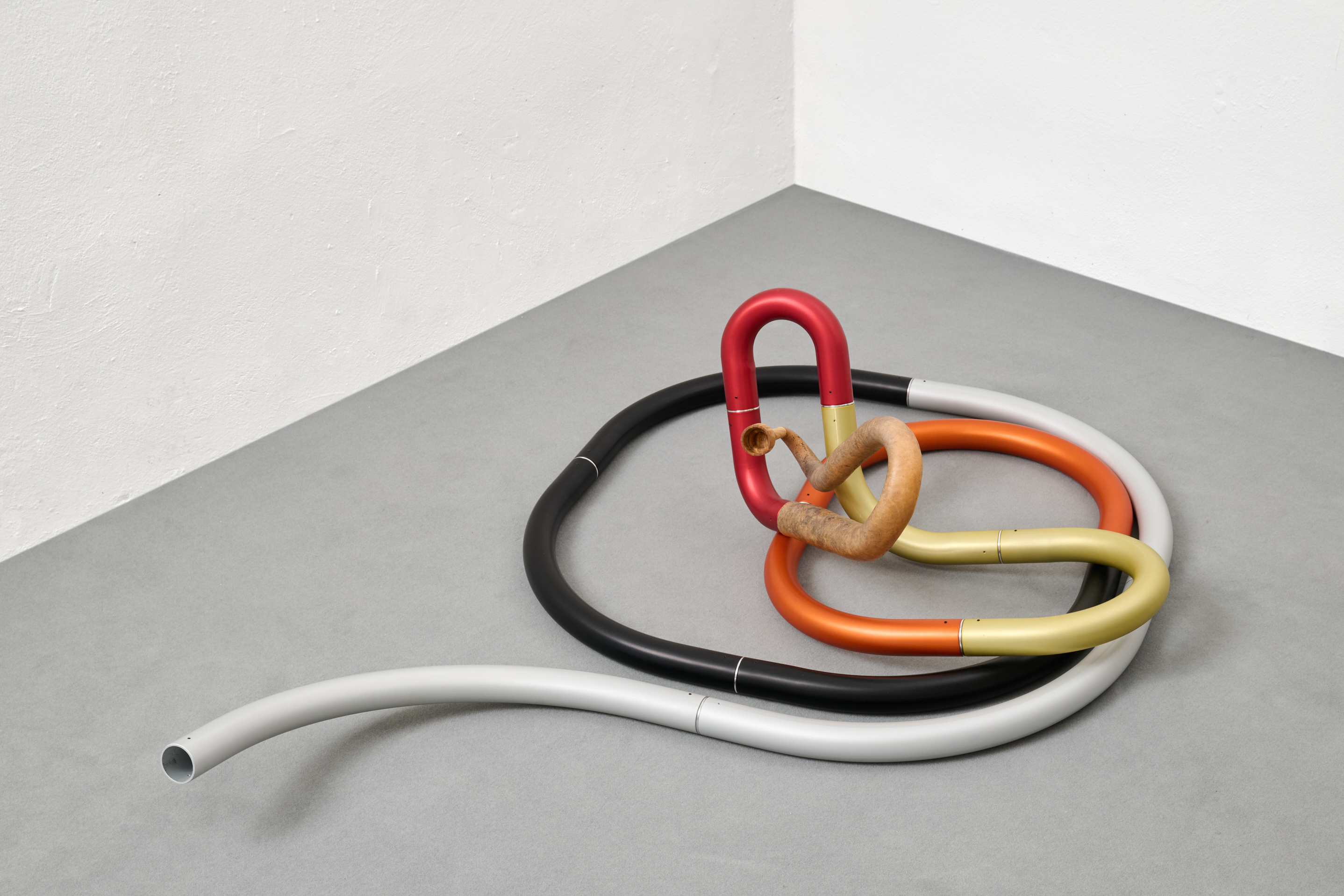
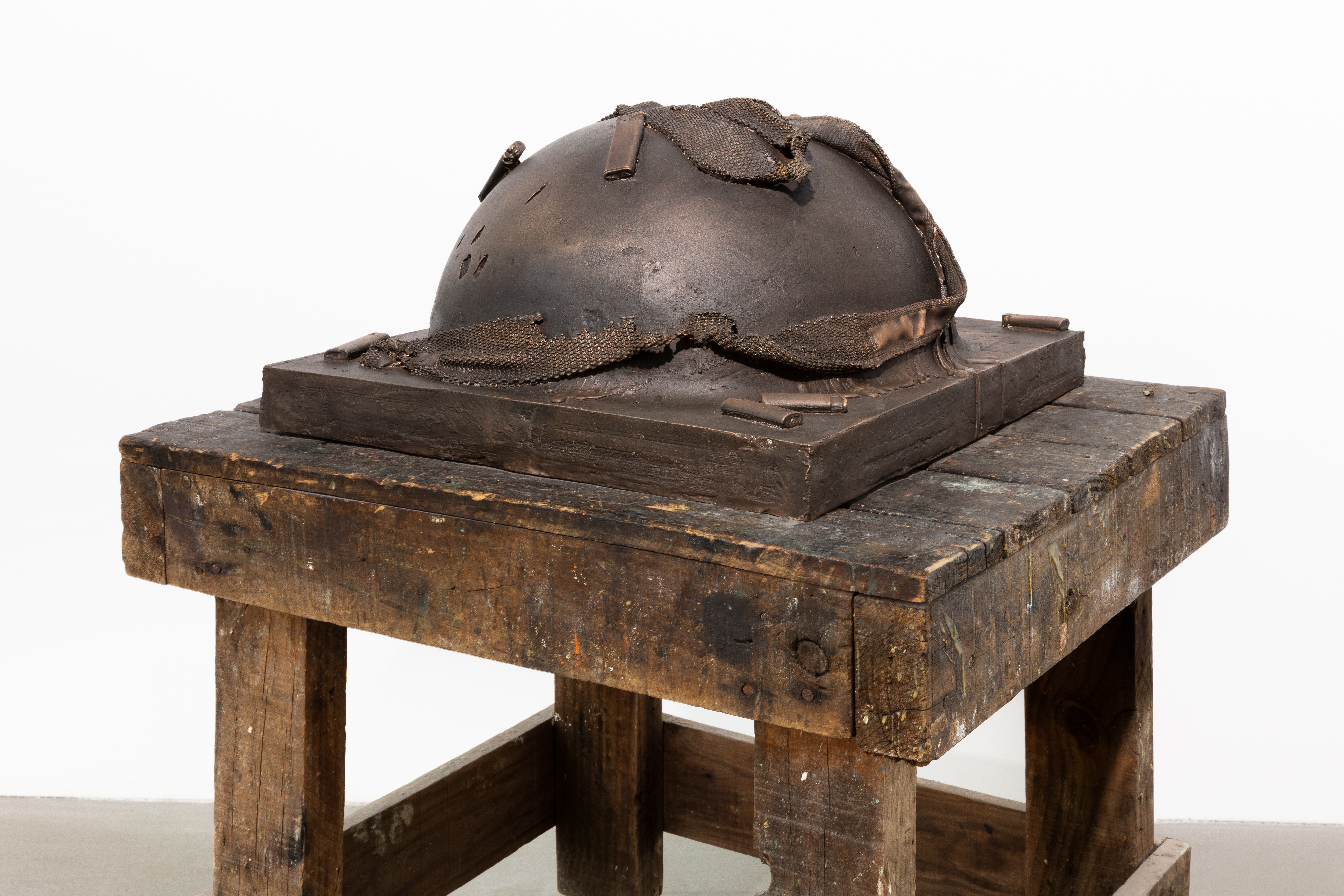
Alfredo Aceto develops a sculptural practice that moves between object, memory and architectural fragment. His works often begin from familiar signs, then shift them into unstable forms that feel both domestic and theatrical. Industrial surfaces, polished details and residual images are used as fragments of a wider visual syntax. The exhibition space becomes a field of suspended clues, where each element suggests a possible story without fixing it completely. Across his practice, sculpture is never treated as an isolated object but as a device capable of activating a broader atmosphere. Materials seem to retain traces of use, affection and displacement, as if they belonged to a scene that has just been abandoned. This produces a tension between intimacy and distance: the work appears recognizable, yet it resists becoming fully legible. Aceto often works with the emotional charge of forms that seem marginal, decorative or secondary. These elements are brought into focus and reorganized through careful decisions of scale, surface and placement. The result is a sculptural language in which memory becomes physical, and the object behaves like a temporary architecture for images, gestures and unresolved narratives.
Federica Balconi
Federica Balconi
Download PDF
Alfredo Aceto develops a sculptural practice that moves between object, memory and architectural fragment. His works often begin from familiar signs, then shift them into unstable forms that feel both domestic and theatrical. Industrial surfaces, polished details and residual images are used as fragments of a wider visual syntax. The exhibition space becomes a field of suspended clues, where each element suggests a possible story without fixing it completely. Across his practice, sculpture is never treated as an isolated object but as a device capable of activating a broader atmosphere. Materials seem to retain traces of use, affection and displacement, as if they belonged to a scene that has just been abandoned. This produces a tension between intimacy and distance: the work appears recognizable, yet it resists becoming fully legible. Aceto often works with the emotional charge of forms that seem marginal, decorative or secondary. These elements are brought into focus and reorganized through careful decisions of scale, surface and placement. The result is a sculptural language in which memory becomes physical, and the object behaves like a temporary architecture for images, gestures and unresolved narratives.
Andrea Bocca
Andrea Bocca
Download PDF
Alfredo Aceto develops a sculptural practice that moves between object, memory and architectural fragment. His works often begin from familiar signs, then shift them into unstable forms that feel both domestic and theatrical. Industrial surfaces, polished details and residual images are used as fragments of a wider visual syntax. The exhibition space becomes a field of suspended clues, where each element suggests a possible story without fixing it completely. Across his practice, sculpture is never treated as an isolated object but as a device capable of activating a broader atmosphere.
Bea Bonafini
Bea Bonafini
Download PDF
Alfredo Aceto develops a sculptural practice that moves between object, memory and architectural fragment. His works often begin from familiar signs, then shift them into unstable forms that feel both domestic and theatrical. Industrial surfaces, polished details and residual images are used as fragments of a wider visual syntax. These elements are brought into focus and reorganized through careful decisions of scale, surface and placement. The result is a sculptural language in which memory becomes physical, and the object behaves like a temporary architecture for images, gestures and unresolved narratives. The exhibition space becomes a field of suspended clues, where each element suggests a possible story without fixing it completely. This produces a tension between intimacy and distance: the work appears recognizable, yet it resists becoming fully legible. Aceto often works with the emotional charge of forms that seem marginal, decorative or secondary.
Federico Cantale
Federico Cantale
Download PDF
Alfredo Aceto develops a sculptural practice that moves between object, memory and architectural fragment. His works often begin from familiar signs, then shift them into unstable forms that feel both domestic and theatrical. Industrial surfaces, polished details and residual images are used as fragments of a wider visual syntax. These elements are brought into focus and reorganized through careful decisions of scale, surface and placement. The result is a sculptural language in which memory becomes physical, and the object behaves like a temporary architecture for images, gestures and unresolved narratives. The exhibition space becomes a field of suspended clues, where each element suggests a possible story without fixing it completely. This produces a tension between intimacy and distance: the work appears recognizable, yet it resists becoming fully legible. Aceto often works with the emotional charge of forms that seem marginal, decorative or secondary.